
Through Multiple Advocacy Channels, We Speak Up for Adult Literacy
Last fiscal year, we remained more committed than ever to serving as a national voice advocating on behalf of the adult literacy field. Working at the federal level, we fought to keep critical funding levels steady to ensure adult literacy and education programs can keep their doors open and maintain the level of service they provide.
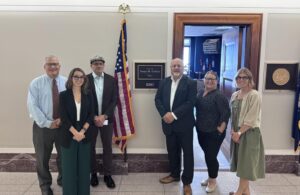
ProLiteracy joined other leaders in adult literacy to advocate for adult education support in Washington, DC.
We focused our attention on responding to actions at the federal level that would be potentially detrimental to local programs across the country.
- We submitted official comments to the US Department of Education, the Office of Management and Budget, and Congress about how proposed budget cuts and grant rules changes were poised to negatively impact adult education and literacy programs.
- Through email communications, social media posts, and meetings with members, we kept our audience up to date on proposed changes and discussed ways they could adapt in a changing environment.
- Each month we held multiple advocacy consultations and workshops to discuss ways to remain student-centered while addressing current federal challenges and how to plan for the future of education and workforce systems.
We participated in productive conversations with lawmakers on both sides of the aisle during quarterly trips to Washington, D.C, where we reiterated the important role of adult education as part of the larger workforce development system. We stressed the importance of making sure that adults at the lowest level were not left behind, as literacy programs are one of the only opportunities available to help these individuals improve their skills.
Through our ongoing advocacy efforts, we can help programs build more sustainable systems for serving students.
Looking ahead, the most important piece of legislation we are following is the reauthorization of WIOA through the bipartisan A Stronger Workforce for America Act. This act came close to passing at the end of 2024, so we are hopeful that with continued discussion, we can help get it over the finish line.