What’s New in CASAS® GOALS 2
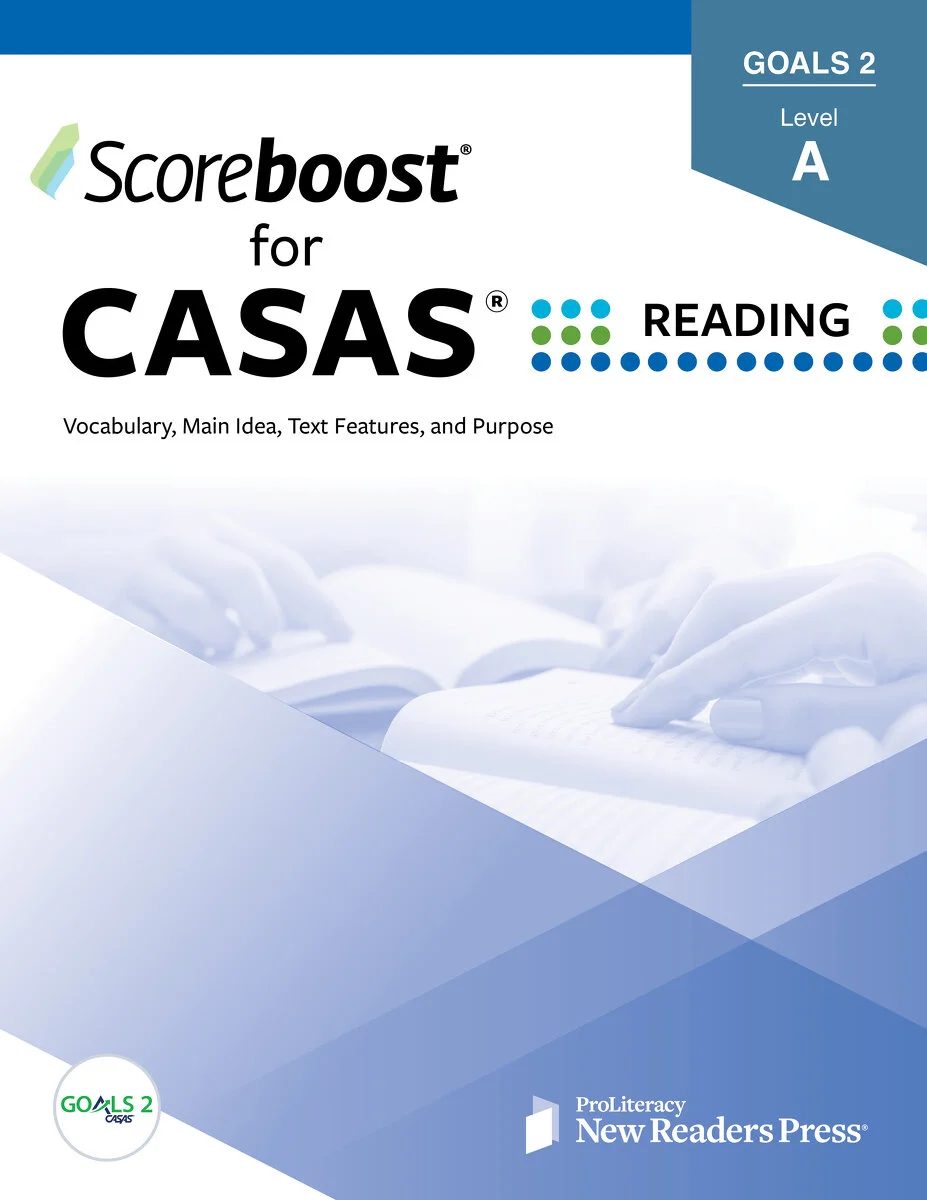
A Q&A with CASAS Assessment Development Director Daniel Esko on what's new in CASAS GOALS 2 and a look at our new Scoreboost series aligning to the GOALS 2 assessment.

Get the latest news and stories from the adult literacy field.
The economic and social prosperity and stability of our nation—and our local communities—depend on the ability of adults to read, write, do basic math, and think critically.
A Q&A with CASAS Assessment Development Director Daniel Esko on what's new in CASAS GOALS 2 and a look at our new Scoreboost series aligning to the GOALS 2 assessment.
We often make the case for adult literacy using statistics and measurable outcomes, but they leave out a very important part of the story.

In adult foundational education, we're often asked: What works? The answer is not always simple
For English language learners, building vocabulary isn't simply about memorizing words—it's about developing the confidence and strategies needed to continue learning long after they leave the classroom.
A recent study explores if personalized text messages from instructors could strengthen learner retention.
Adult learners don’t always leave because they’ve stopped learning. Sometimes, life happens. But this study shows, many will return when circumstances allow to continue building skills to reach their goals.